How do I know if I have lipedema?
How is lipedema liposuction different from other types of liposuction?
Can lipedema fat come back after surgery?
What areas are most commonly affected by lipedema?
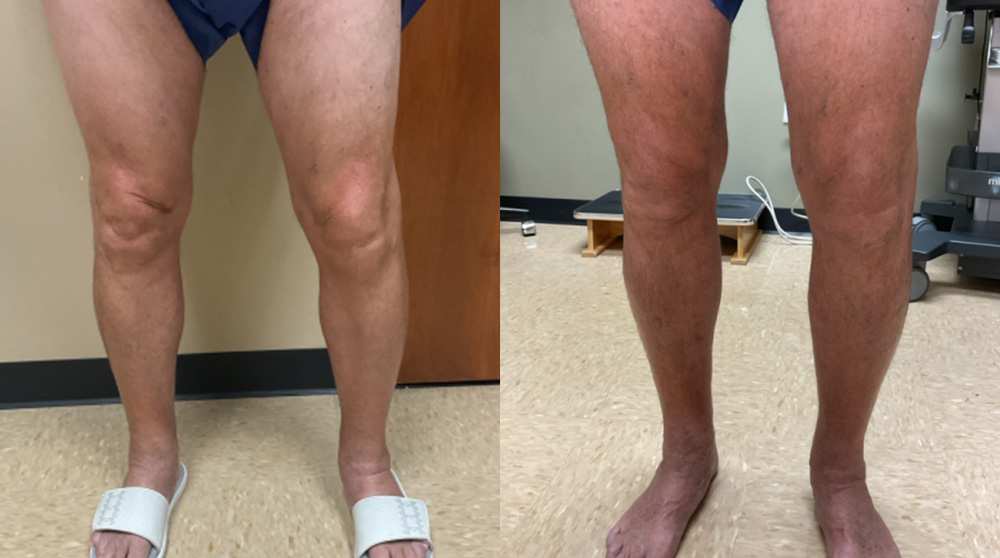
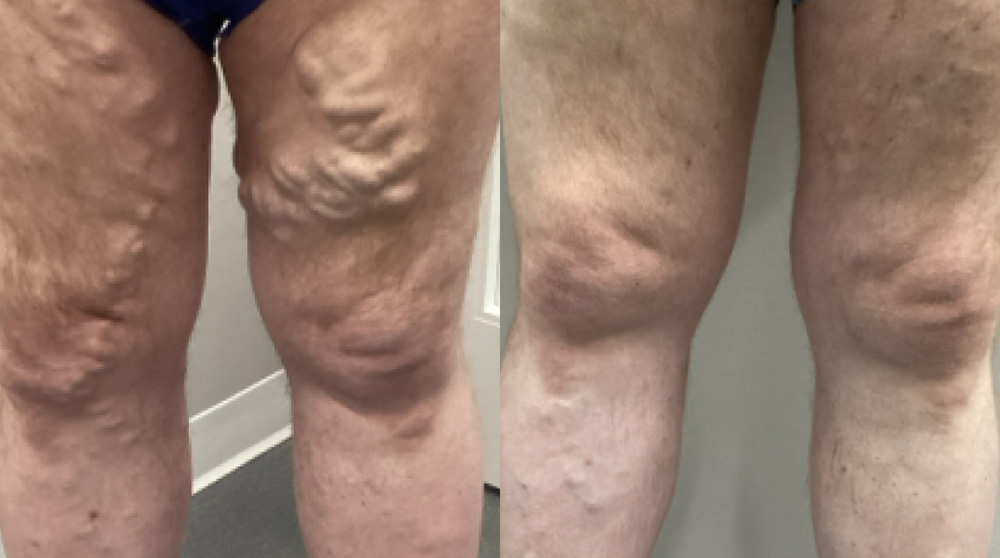
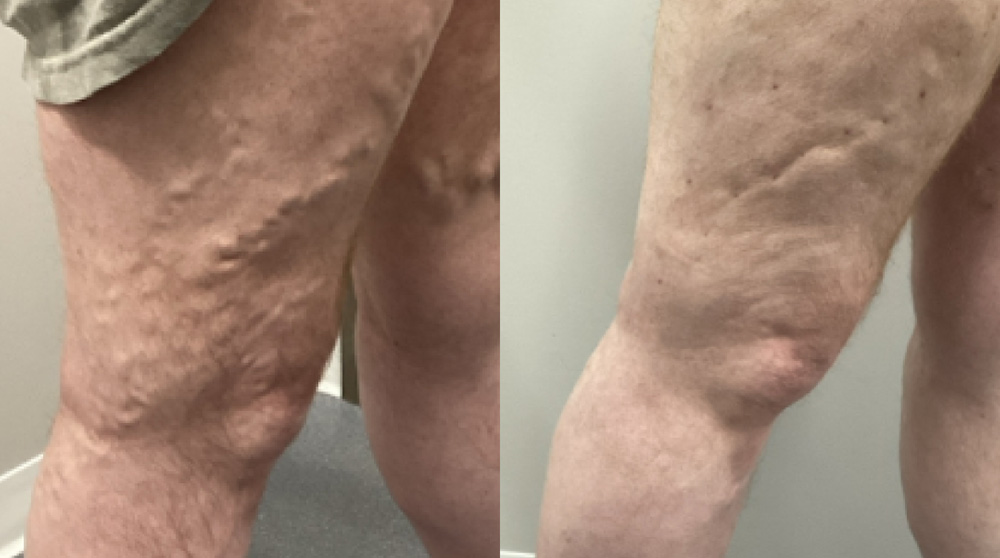
If your legs feel painful, heavy and out of proportion with the rest of your body, you might be dealing with lipedema, a chronic condition that causes an abnormal build-up of fat. Dr. Hakimi's advanced liposuction techniques offer real, lasting relief with just two days of downtime.
Discover Lipedema Liposuction
Dr. Hakimi uses advanced liposuction techniques specifically designed for lipedema patients, focusing on preserving the lymphatic system while effectively removing abnormal fat tissue.
Surgical time varies based on the areas treated and the severity of your condition. Lipedema lipo is typically performed as an awake procedure at our beautiful Beverly Hills office.
Relief from pain is almost immediate, while your new contours and final results will develop as swelling subsides over the next three to six months.
Dr. Hakimi’s specialized approach means just two days of downtime. Get back to your daily life quickly with awake lipedema liposuction.